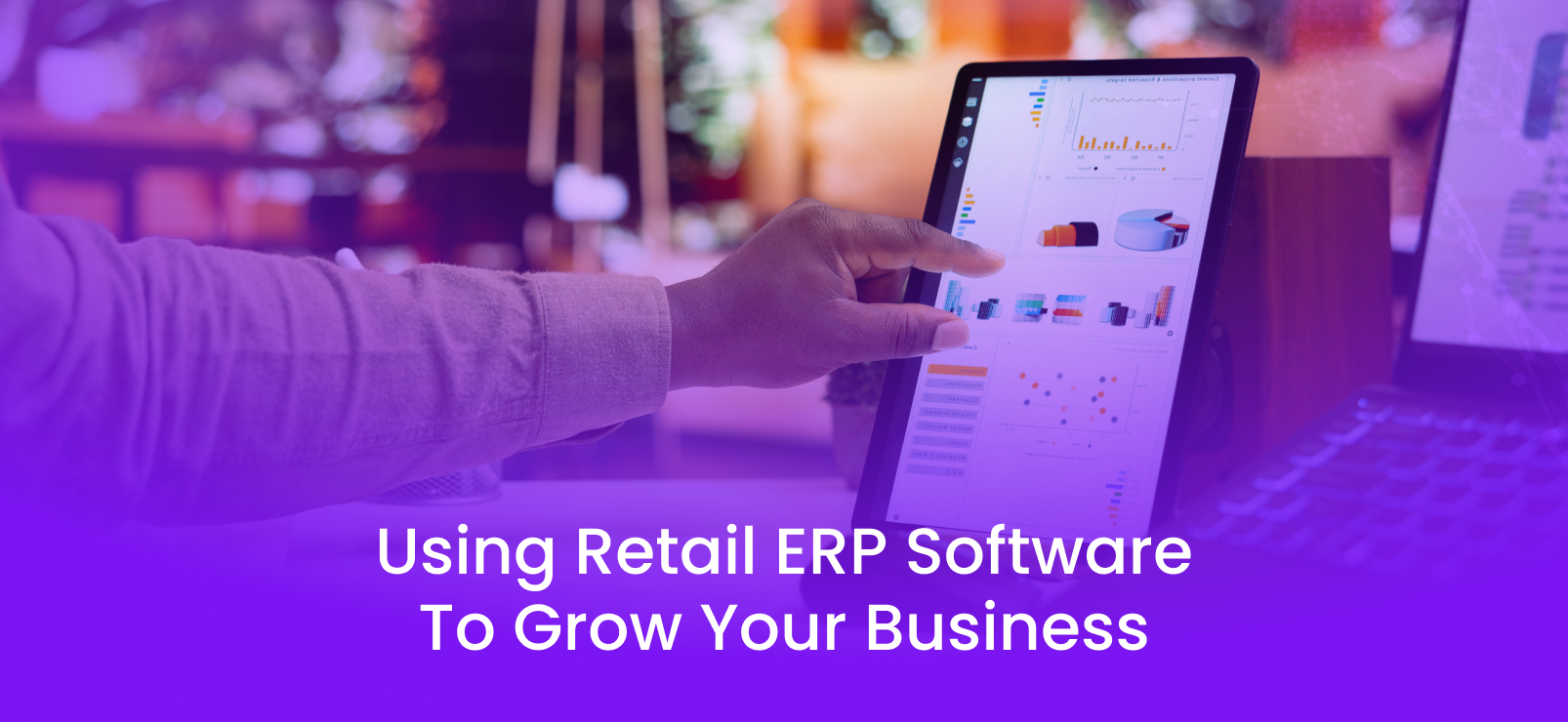
Using Retail ERP Software To Grow Your Business
The retail landscape has changed dramatically over the last few years. Shifting customer expectations, supply chain disruptions, rising operational costs, and the rapid growth of digital commerce have created new challenges for retailers of all sizes. To stay competitive, retailers are increasingly turning to Retail ERP (Enterprise Resource Planning) software as a powerful tool to streamline operations, improve customer experiences, and drive sustainable business growth.
Retail ERP software connects all critical business functions, including inventory, sales, finance, supply chain, and human resources, into a single, unified system. This level of integration helps retailers operate more efficiently, make smarter decisions, and respond faster to market changes.
Creating a Unified Commerce Experience
Customers today expect a seamless shopping journey across online, in-store, and mobile channels. Retail ERP software centralizes customer data, purchase history, and interactions in one system, enabling consistent pricing, promotions, and personalized experiences. Real-time insights help retailers understand buying behavior, tailor marketing strategies, and drive higher engagement and repeat purchases.
Enabling Flexible Workforces
Workforce flexibility is essential for retail success. ERP systems support mobile access, cloud operations, and remote collaboration, allowing staff to check stock, process orders, and resolve queries from any location. It enhances productivity, employee satisfaction, and customer service efficiency.
Boosting Sales with Mobile Capabilities
Retail is no longer limited to store counters. ERP systems with mobile POS enable transactions at trade shows, pop-ups, and remote locations. Real-time synchronization ensures accurate inventory, financial records, and performance tracking, reducing errors and maintaining operational control.
Improving In-Store Efficiency with Self-Service Technology
Self-service kiosks and contactless checkouts streamline operations, reduce wait times, and optimize staff workloads. Automating part of the checkout process minimizes overcrowding, lowers labor costs, and enhances customer experience, boosting satisfaction and sales.
Strengthening Customer Loyalty and Retention
Customer retention is more cost-effective than acquisition. ERP systems integrate CRM and loyalty tools, allowing retailers to track purchases, reward loyalty, manage gift cards, and run omnichannel promotions. Data-driven strategies enhance repeat purchases, lifetime customer value, and brand loyalty.
Gaining Control with Centralized Operations
A centralized ERP management console provides real-time visibility into sales, inventory, suppliers, and logistics. It improves planning, reduces stockouts, and enhances customer trust by offering accurate delivery timelines even amid supply chain disruptions.
Streamlining Workflows through Automation
ERP workflow automation simplifies approvals, order processing, inventory replenishment, and reporting. Automation reduces delays, cuts costs, improves cross-department collaboration, and frees teams to focus on strategic initiatives such as customer engagement and growth.
Scaling Easily with Cloud-Based ERP
Cloud-based ERP solutions are flexible and scalable without heavy IT investments. Businesses can add or remove modules as needed. Cloud access enables real-time collaboration across stores, warehouses, and remote teams, making ERP ideal for small and medium retailers.
Supporting Omnichannel Order Fulfillment
ERP enables omnichannel order management, allowing customers to buy online, pick up in-store, return items anywhere, and switch channels seamlessly. Flexible fulfillment enhances satisfaction and provides a competitive edge, particularly during logistical challenges.
Ensuring Business Continuity with Offline Capabilities
ERP systems with offline POS functionality allow transactions to continue during power outages or connectivity issues. Once online, data synchronizes automatically with the central system, ensuring uninterrupted operations and protecting revenue.
Conclusion
Retail ERP software has become a critical tool for driving growth in today’s competitive retail landscape. By integrating operations across sales, inventory, supply chain, HR, and accounting, ERP systems provide a unified platform that improves efficiency and reduces errors. These systems also enhance customer experiences by enabling personalized, consistent service across all channels. With workflow automation, real-time insights, and advanced reporting, retailers can make informed decisions, optimize performance, and respond quickly to market changes. Investing in Retail ERP technology equips businesses to scale effectively, strengthen operational control, and achieve sustainable long-term growth.
CERP Suite helps retail businesses grow by providing a fully integrated ERP system that unifies operations and enhances overall performance. Its modules for inventory management, HR, supply chain, and accounting allow retailers to automate routine tasks, maintain accurate stock levels, and optimize workforce productivity. With real-time insights and centralized data, businesses can make informed decisions, streamline workflows, and ensure consistent customer experiences. Flexible cloud and on-premise deployment options, along with customizable solutions, enable retailers to scale efficiently and stay competitive in a dynamic market.

Like what you see? Share with a friend.
In this article


Related Articles
What’s The Real ROI Of An ERP For Manufacturers?
ERP systems are one of the most significant investments a manufacturer can make, impacting nearly every aspect of operations. While…
Using Retail ERP Software To Grow Your Business
The retail landscape has changed dramatically over the last few years. Shifting customer expectations, supply chain disruptions, rising operational costs,…
Why ERP Systems Are Critical for Success in Omnichannel eCommerce
As global eCommerce continues to grow at a surpassing pace, businesses face the challenge of keeping up with customer expectations…
How ERP Helps Improve The Accuracy Of Financial Data And Reporting
Financial accuracy lies at the heart of effective business operations, influencing planning, budgeting, and strategic decision-making. Even minor errors in…
Reasons Why Retailers Need an Integrated POS System?
Modern retail demands more than just transaction processing. Businesses now need to understand customer behavior, control inventory in real time,…
How Does A WMS Different From An ERP System?
When businesses start looking for inventory or warehouse software, the terms Warehouse Management System (WMS) and Enterprise Resource Planning (ERP)…
Benefits Of Mobile ERP: What’s In It For You And Your Business
As businesses operate in an increasingly dynamic environment, staying connected and responsive is essential. Many companies have moved from traditional…
5 Things to Keep in Mind Before Buying an ERP
Choosing an ERP system is one of the most important decisions a business will make. It’s not just another software…
Tips to Improve Accounting With an ERP System
Accurate accounting is essential for informed financial decisions and overall organizational efficiency. Implementing an ERP (Enterprise Resource Planning) system is…