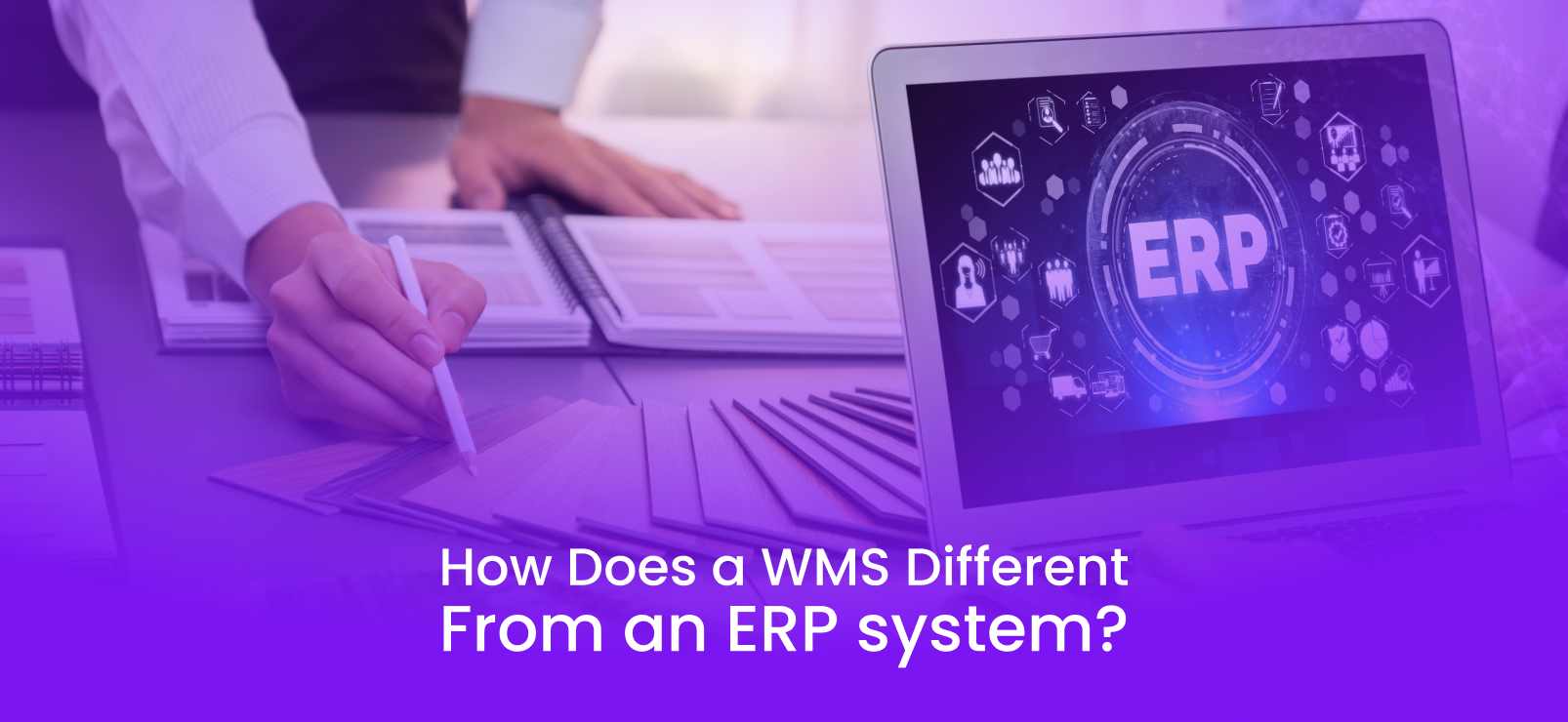
How Does A WMS Different From An ERP System?
When businesses start looking for inventory or warehouse software, the terms Warehouse Management System (WMS) and Enterprise Resource Planning (ERP) are often used as if they mean the same thing. In reality, while they are closely related, they serve different purposes. Understanding how a WMS differs from an ERP system helps you choose the right solution, avoid overspending, and ensure your business gets exactly the functionality it needs.
Both systems are essential for wholesale and distribution businesses. Without them, organizing inventory, processing orders, or tracking stock would become nearly impossible. However, their scope and depth of functionality are what truly set them apart.
What Is a Warehouse Management System (WMS)?
A WMS focuses specifically on managing operations inside a warehouse. Its core job is to control and optimize how inventory moves and where it is stored. It includes tracking every step in the product journey, from receiving and put-away to picking, packing, and shipping.
The biggest difference between WMS and ERP is that a WMS provides intelligent warehouse optimization. It uses real-time data, historical trends, and warehouse layout information to recommend the best locations for stock placement. It can dictate where items should “live” within the warehouse based on bin and shelf utilization.
Key WMS capabilities typically include:
- Creating stocking and non-stocking locations to reflect true inventory counts while separating available stock from allocated stock
- Setting location priorities and ratings for faster and more efficient picking
- Precise movement tracking from shelf to cart, station to station, and every step in between
- Cross-docking features that allow teams to receive and ship products without storing them
WMS solutions are usually standalone systems. They do not include accounting, customer relationship management, or financial tools. For this reason, a WMS is often integrated with an ERP system. It’s also important to note that many small businesses don’t need full WMS functionality because modern ERP systems often provide enough warehouse tools to handle their needs.
What Is an ERP System?
An ERP system takes a much broader approach. Instead of focusing only on the warehouse, ERP software connects and automates all major business functions under one platform. It includes:
- Accounting and financial management
- Order entry and processing
- Purchasing and procurement
- Inventory and basic warehouse management
- eCommerce integration
- Customer relationship management
- Reporting and analytics
The purpose of ERP is to create a smooth flow of information between departments. While ERP systems can track inventory being received, picked, packed, and shipped, and manage bin and shelf locations, they do not usually provide advanced warehouse layout recommendations like a true WMS.
If your business needs inventory management connected with accounting, order processing, and customer data, then ERP software is usually the right choice.
WMS vs. ERP: Key Differences
Although both systems are part of supply chain management, their focus is different:
- WMS is deeply specialized in warehouse optimization and the physical movement of goods.
- ERP is built to manage the entire organization’s processes and data flow.
Both systems can be cloud-based or on-premises and provide real-time reporting. However, cost is a major difference. A full WMS solution often starts at $150,000 or more, while ERP systems typically start around $20,000+.
WMS functionality usually includes:
- Picking, packing, receiving, and shipping tools
- Barcode scanning and RFID tracking that logs every product movement
- Inventory location recommendations and warehouse layout planning
ERP functionality generally includes:
- Picking, packing, receiving, and shipping
- Barcode scanning and mobile picking
- Bin and shelf location tracking
- Accounting modules (A/R, A/P, GL, bank management)
- Order entry and invoicing
- Purchase orders and contact management
- Inventory and eCommerce integration
- Reporting and landed cost tracking
For small to mid-sized businesses, ERP systems often provide all the functionality they need at a more affordable price point. Not every warehouse requires a true WMS, as these systems are designed for highly complex, large-scale operations and come with significant setup and maintenance costs.
Conclusion
The main difference between WMS and ERP lies in scope and depth. A WMS specializes in optimizing warehouse operations, while an ERP system connects every department and business process in one centralized platform. Many businesses find that an ERP system with built-in warehouse management features is more than enough to meet their needs, without the high cost of a standalone WMS.
The key is to clearly understand your operational complexity before speaking with vendors and selecting a system.
Why Businesses Choose CERP Suite for Smarter Management?
CERP Suite provides a powerful, all-in-one ERP solution designed to streamline business operations without the cost and complexity of standalone systems. With real-time insights, unified operations, and advanced modules for inventory, HR, supply chain, and accounting, CERP Suite helps businesses manage stock, track warehouse activity, and connect data across departments seamlessly. Through expert consultation, implementation, and customization services, CERP Suite ensures your system aligns perfectly with your unique business needs, allowing you to scale efficiently without unnecessary overhead.
Get your WMS-ERP consultation now
Contact Us Now!
Like what you see? Share with a friend.
In this article


Related Articles

What’s The Real ROI Of An ERP For Manufacturers?
ERP systems are one of the most significant investments a manufacturer can make, impacting nearly every aspect of operations. While…
Using Retail ERP Software To Grow Your Business
The retail landscape has changed dramatically over the last few years. Shifting customer expectations, supply chain disruptions, rising operational costs,…
Why ERP Systems Are Critical for Success in Omnichannel eCommerce
As global eCommerce continues to grow at a surpassing pace, businesses face the challenge of keeping up with customer expectations…
How ERP Helps Improve The Accuracy Of Financial Data And Reporting
Financial accuracy lies at the heart of effective business operations, influencing planning, budgeting, and strategic decision-making. Even minor errors in…
Reasons Why Retailers Need an Integrated POS System?
Modern retail demands more than just transaction processing. Businesses now need to understand customer behavior, control inventory in real time,…
How Does A WMS Different From An ERP System?
When businesses start looking for inventory or warehouse software, the terms Warehouse Management System (WMS) and Enterprise Resource Planning (ERP)…
Benefits Of Mobile ERP: What’s In It For You And Your Business
As businesses operate in an increasingly dynamic environment, staying connected and responsive is essential. Many companies have moved from traditional…
5 Things to Keep in Mind Before Buying an ERP
Choosing an ERP system is one of the most important decisions a business will make. It’s not just another software…
Tips to Improve Accounting With an ERP System
Accurate accounting is essential for informed financial decisions and overall organizational efficiency. Implementing an ERP (Enterprise Resource Planning) system is…